

Global spectroscopic telescope array
Time Domain Telescope
Adaptive, fast, and smart: hundreds of spectroscopic eyes on the time-domain sky.
Spectra when you need them. Anywhere, anytime.
GenAI impression of the TDT unit telescopes.
TDT at a glance
- 100 × 2 mUnit telescopes with extreme adaptive optics in the core array at ESO
- g ≈ 25 in 30 minWith the full array, at signal-to-noise 10 and R = 5000
- 0.35–1.8 µmSimultaneous u to H coverage, at resolutions up to R = 105
- < 1 minTo reconfigure the array for a new alert
The road to ESO’s Expanding Horizons
The TDT consortium is preparing a proposal to ESO’s call for a transformational facility for the 2040s.
-
Completed: Q4 2024
Kick-off meeting, The Hague
-
Completed: Q3 2025
ESO opens the call
-
Completed: December 2025
Community white papers
-
Completed:
Collaboration meeting, Hamburg
-
Next milestone:
Letter of Intent
-
Upcoming:
Full proposal
Go big or go wide
Each TDT unit telescope is individually steerable and permanently instrumented, and many units feed shared clusters of fibre-fed spectrographs. The array can observe as one large telescope on a single faint target, as many independent telescopes on many targets, or anything in between, and it can switch within a minute when the sky changes. A core of 100 units at ESO, with partner stations around the globe, will deliver spectra around the clock.
Four science themes
Stellar deaths and cosmic elements
What is the origin of the elements?
Gravitational-wave mergers, supernovae and gamma-ray bursts, and stellar furnaces.
Powering the Universe
What powers the Universe?
Accretion on all scales from YSOs to QSOs, stellar mergers including LISA sources, and the growth of supermassive black holes.
The history of the Universe
What is the expansion history of the Universe?
Type Ia supernovae, gravitational-wave sirens, the cosmic distance ladder, and the nature of dark matter.
Exoplanets and the Galaxy
How has the formation history of the Galaxy shaped planetary systems and their habitability?
Exoplanet atmospheres and their host stars, planets around stellar remnants, and the outer Solar System.
Explore the project
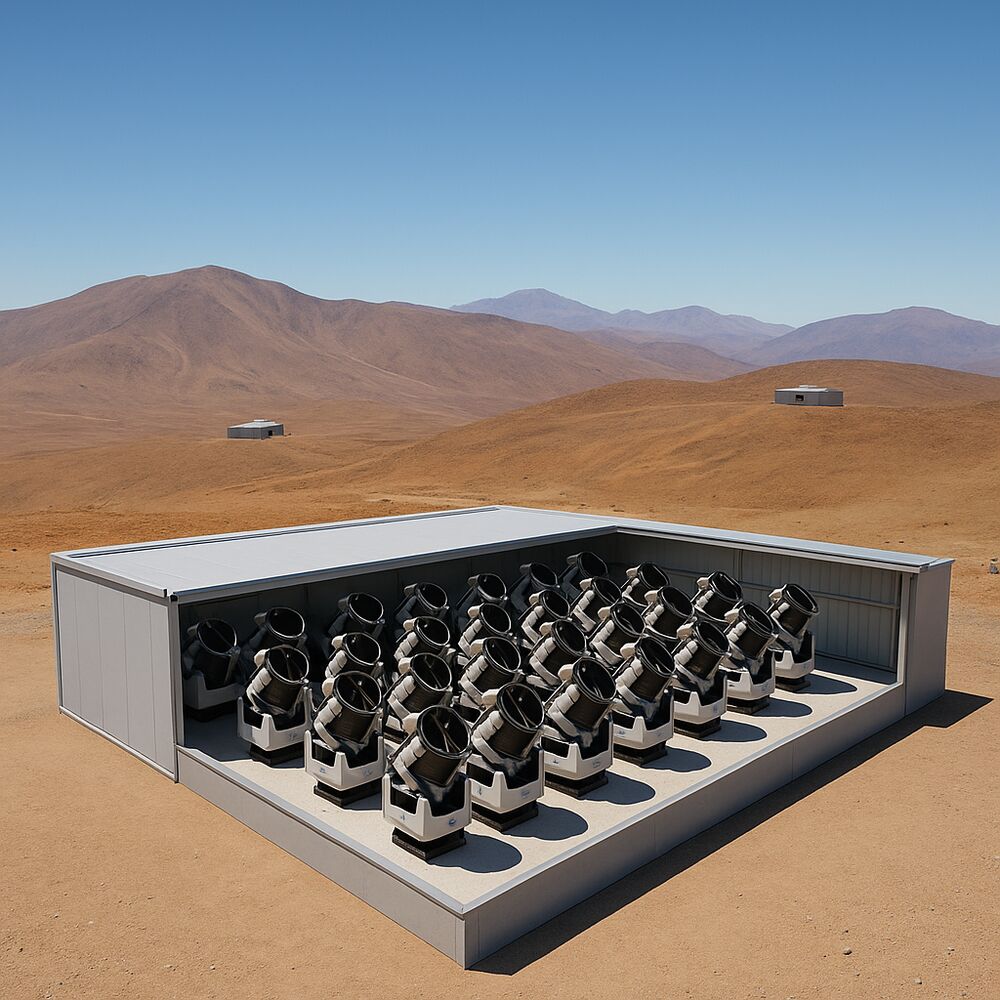
The TDT concept
The array, its adaptive optics, fibres and spectrographs, performance and operations, at a glance.
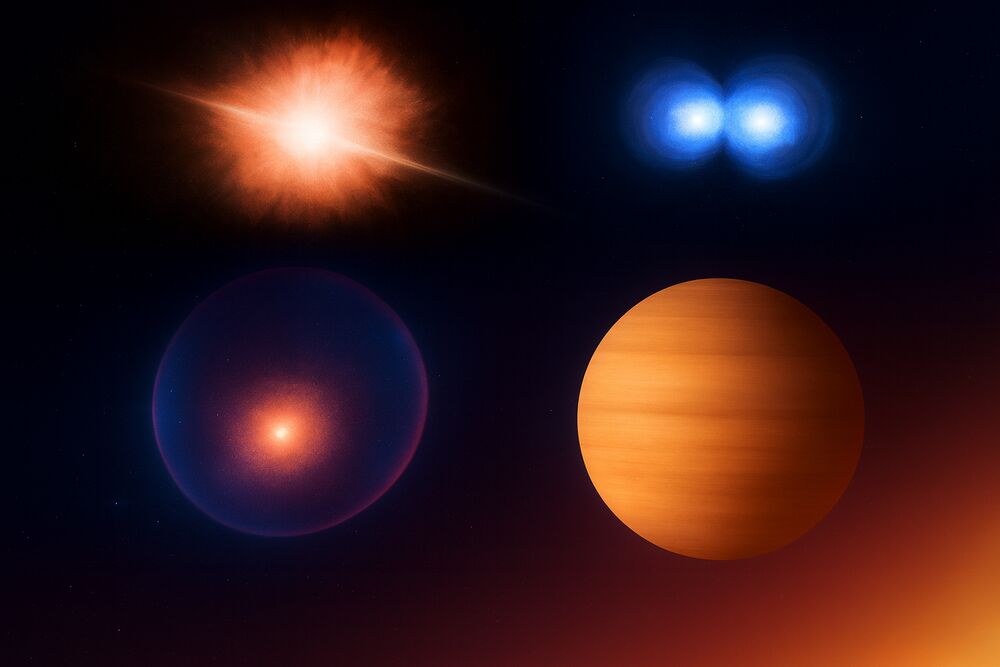
Science cases
Four science themes, from stellar deaths and cosmic elements to exoplanets and the Galaxy.
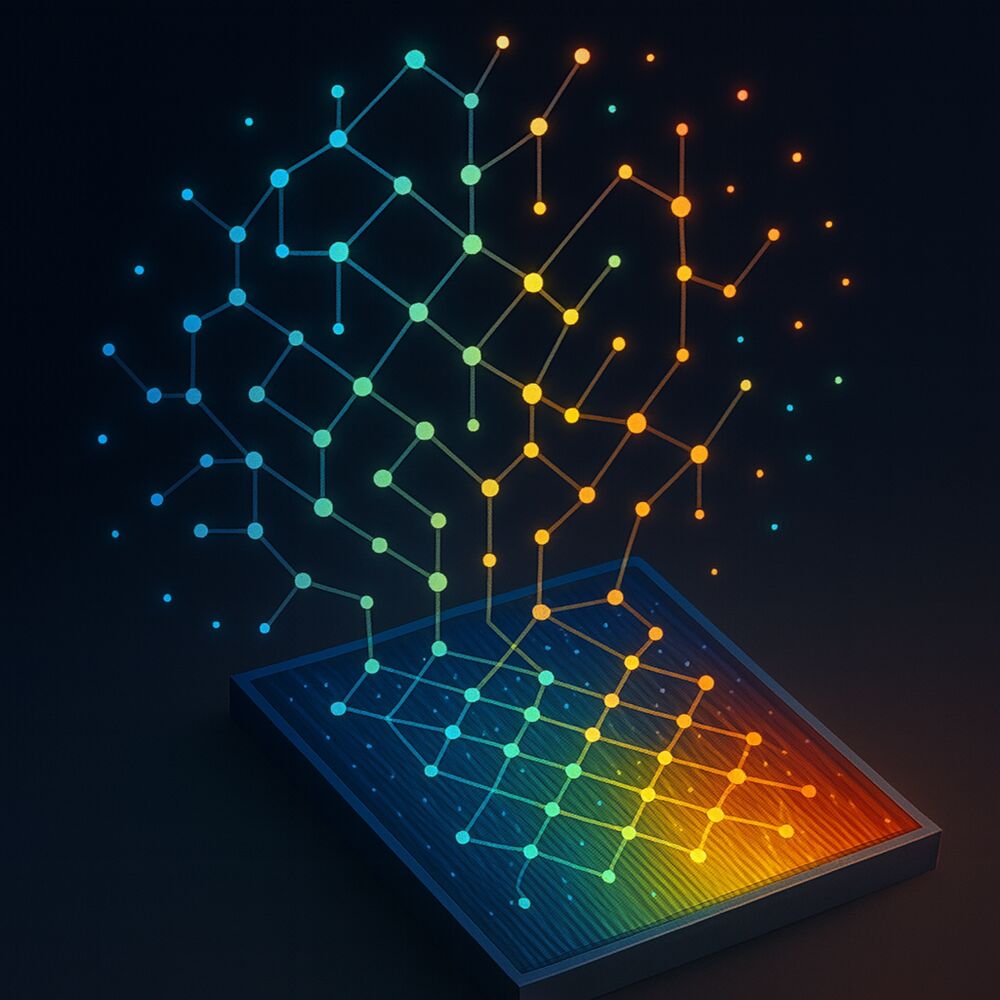
Technology
Extreme adaptive optics in the optical blue, near-read-noise-free detectors, and agentic scheduling.
News & documents
-
Document
-
TDT / Proto-TDT collaboration meeting at the Universität Hamburg. Meeting information
-
White papers
Eighteen community white papers on TDT science, written for ESO’s Expanding Horizons call. All publications
Join the TDT working groups
The TDT is being shaped by an open community of astronomers. Register your interest in a science working group to help define the facility.