Research

The life of dead stars

Accretion, compact objects and the time-domain sky.

Overview

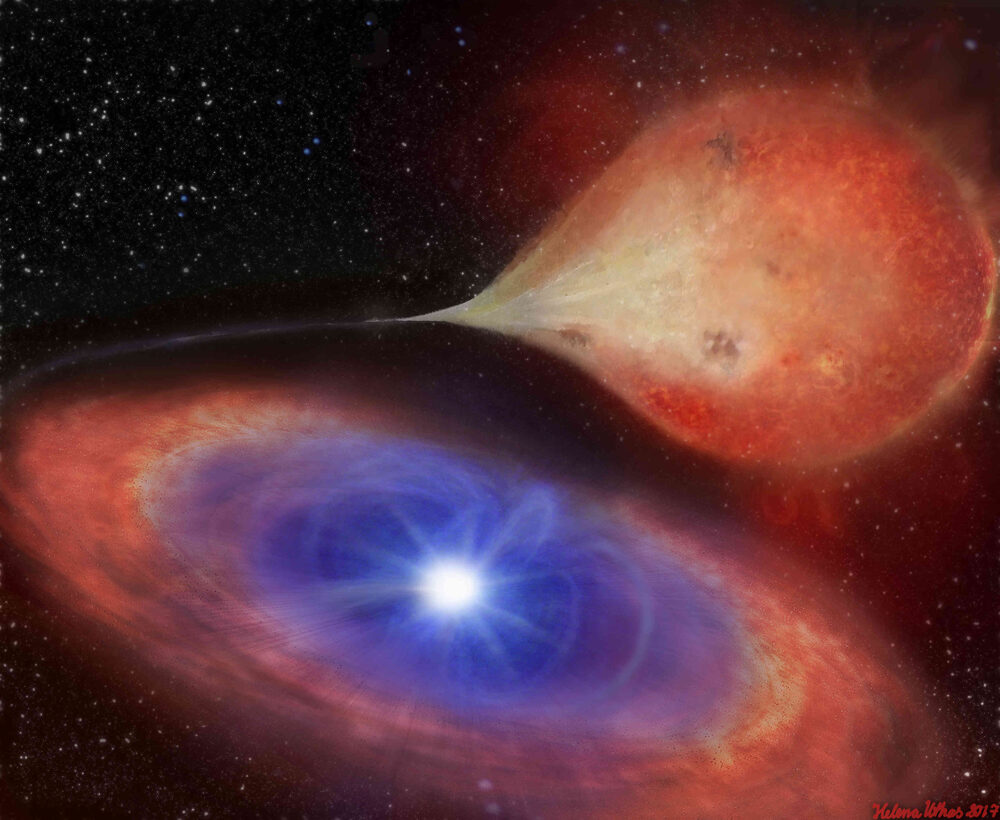
I explore how matter behaves in the Universe’s most extreme environments. My research centres on the physics of mass transfer and accretion in compact interacting binaries, in particular the properties and evolution of cataclysmic variables and other stellar remnants.

Grounded in time-domain astrophysics and spectroscopic surveys, I compare observations from space-based timing missions (such as Kepler and TESS) to test whether accretion physics is scale-invariant, from young, forming stars to supermassive black holes. I also model gravitational-wave emission from Galactic binaries to establish their properties for future LISA observations, and apply machine learning, deep learning and pattern recognition to classify and interpret large astronomical datasets.

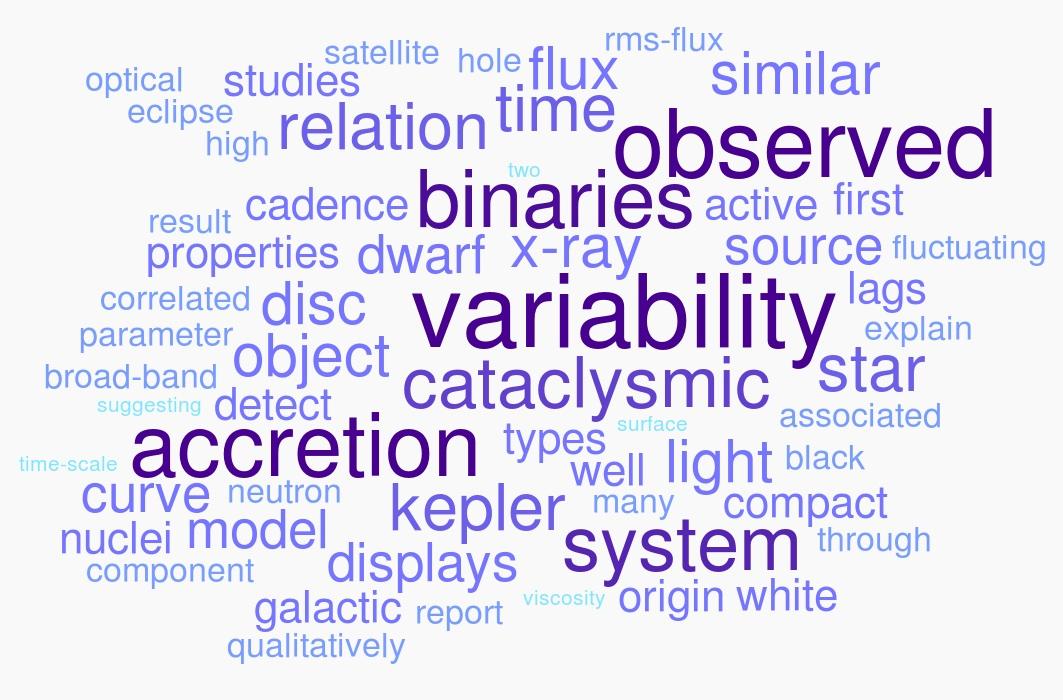
Word cloud of the most frequent terms in my publications, led by accretion, white dwarf, variability and cataclysmic variables

Selected first-author publications

  • Space Science Reviews (2026)

    Accreting White Dwarfs: An Unreview

    We present an “unreview” of the field of accreting white dwarfs, identifying critical open questions and unresolved physics, such as angular momentum transport, disc winds and magnetic boundary dynamics, to advance accretion theory across all stellar and galactic mass scales.
  • Nature Astronomy (2026)

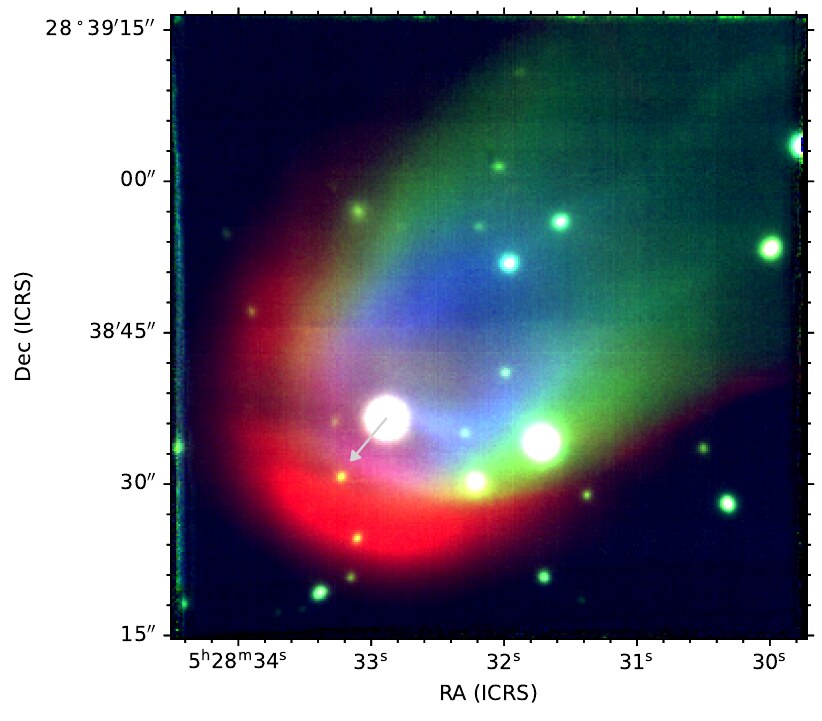
    A persistent bow shock in a diskless magnetised accreting white dwarf

    We report the discovery of a persistent Hα bow-shock nebula around the magnetic, short-period cataclysmic variable 1RXS J052832.5+283824 (RXJ0528+2838), suggesting a powerful, previously unrecognised energy-loss mechanism that could govern magnetic binary evolution.

  • MNRAS Letters (2023)

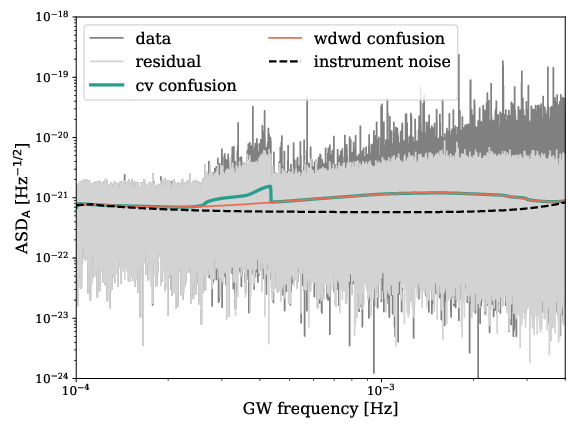
    Cataclysmic variables are a key population of gravitational wave sources for LISA

    We estimate the gravitational-wave signals from the Galactic population of cataclysmic variables (CVs) and evaluate their significance for the LISA mission, finding that key systems will be individually resolvable and contribute substantially to the Galactic binary background.

  • MNRAS (2023)

    XGAPS: a sub-arcsec cross-match of galactic plane surveys

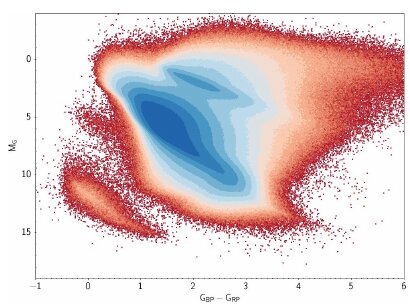
    We present a sub-arcsecond cross-match of Gaia DR3 against the IGAPS and UKIDSS surveys. The resulting XGAPS catalogue provides precise multi-band photometry for over 33 million sources, with Random Forests used for astrometric cleaning.

  • MNRAS Letters (2022)

    Triggering micronovae through magnetically confined accretion flows in accreting white dwarfs

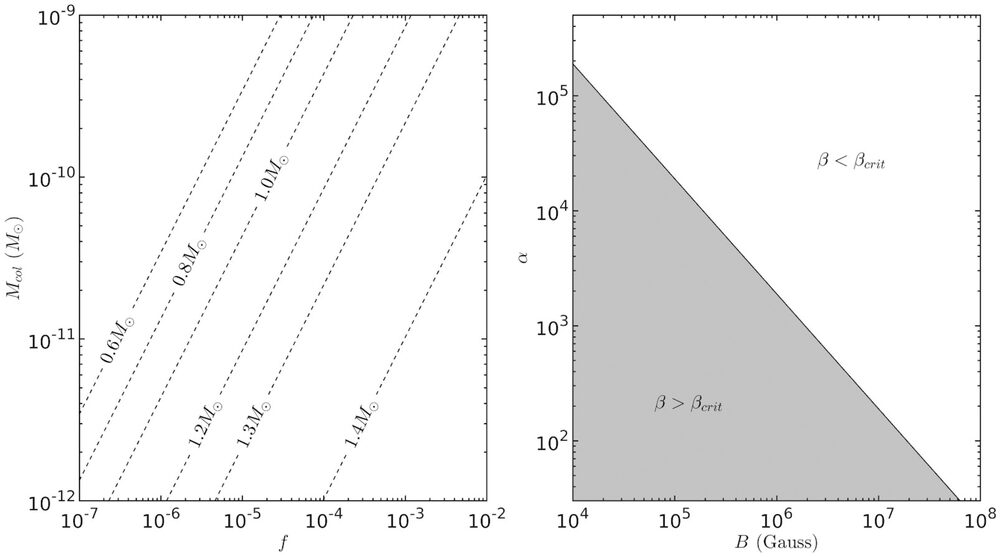
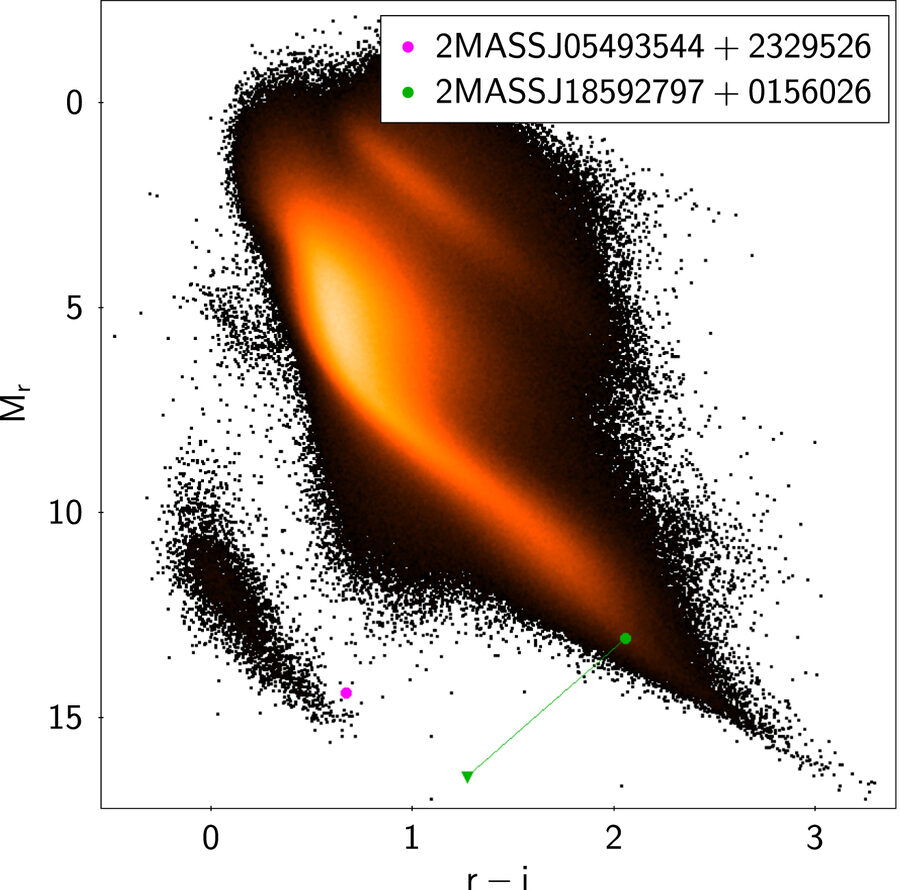
    We propose a model in which the magnetic confinement of accretion streams onto accreting magnetic white dwarfs triggers localised thermonuclear runaways, explaining the rapid optical bursts known as micronovae.

  • Nature (2022)

    Localized thermonuclear bursts from accreting magnetic white dwarfs

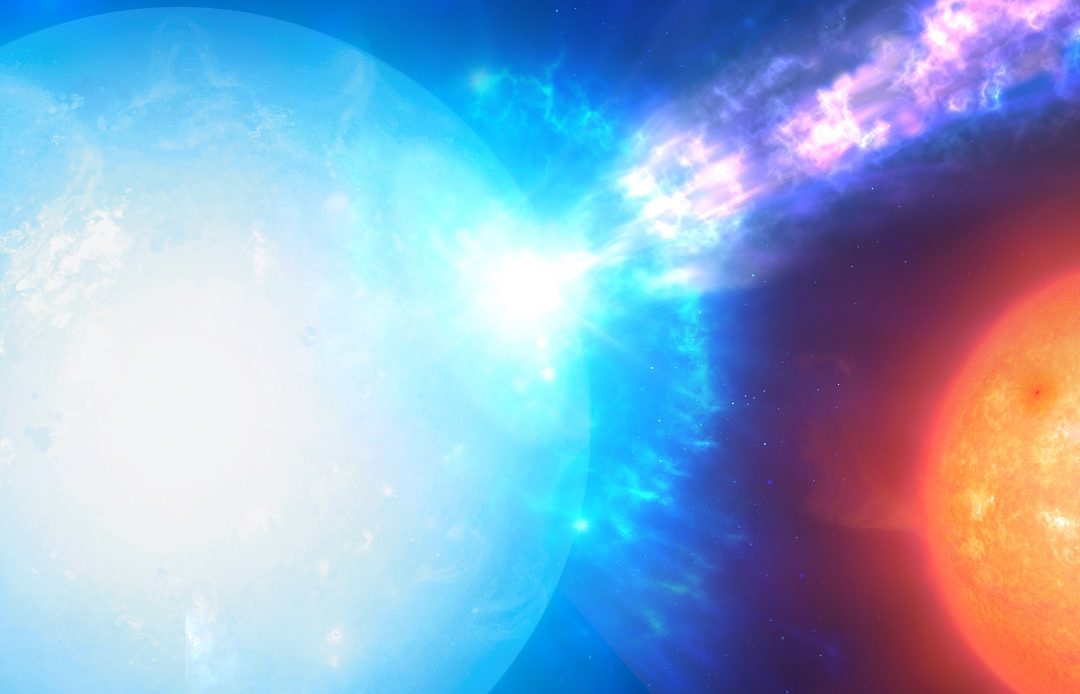
    We report optical bursts from TV Columbae, EI Ursae Majoris and ASASSN-19bh. These events, dubbed micronovae, release about a millionth of the energy of classical novae and are triggered by thermonuclear runaways in magnetically confined columns.

  • Nature Astronomy (2022)

    An accreting white dwarf displaying fast transitional mode switching

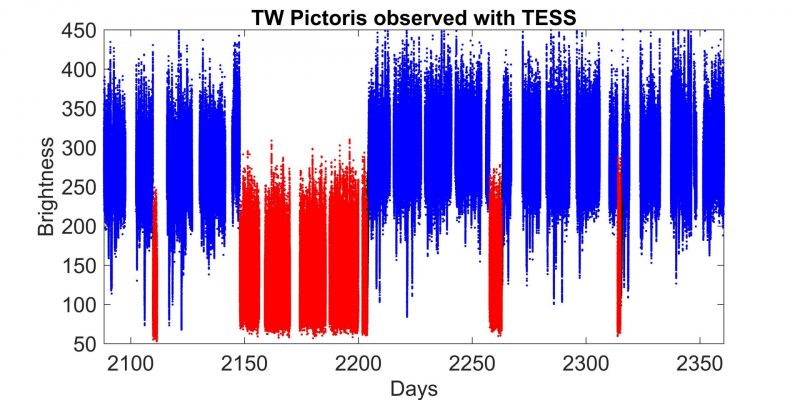
    TESS optical light curves of TW Pictoris show rapid transitions in which the system drops in luminosity by up to a factor of 3.5 in under 30 minutes, analogous to the transitions seen in transitional millisecond pulsars.

  • MNRAS (2018)

    The Gaia/IPHAS and Gaia/KIS value-added catalogues

    We present a sub-arcsecond cross-match of Gaia DR2 against the IPHAS DR2 and KIS surveys, providing high-precision photometry and proper-motion epoch corrections for millions of northern Galactic plane sources.

  • Nature (2017)

    Magnetically gated accretion in an accreting ‘non-magnetic’ white dwarf

    Archival optical observations of MV Lyrae show quasi-periodic bursts every 2 hours, revealing an unstable, magnetically gated accretion mode and providing a new way of measuring weak magnetic fields (104–105 G) in white dwarfs.

  • MNRAS (2016)

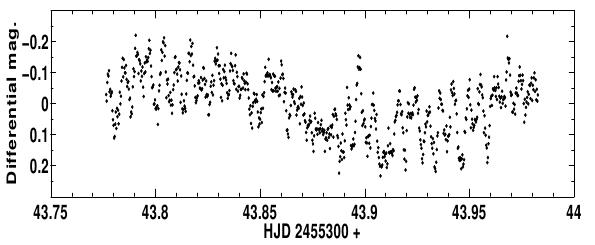
    The peculiar dipping events in the disc-bearing young-stellar object EPIC 204278916

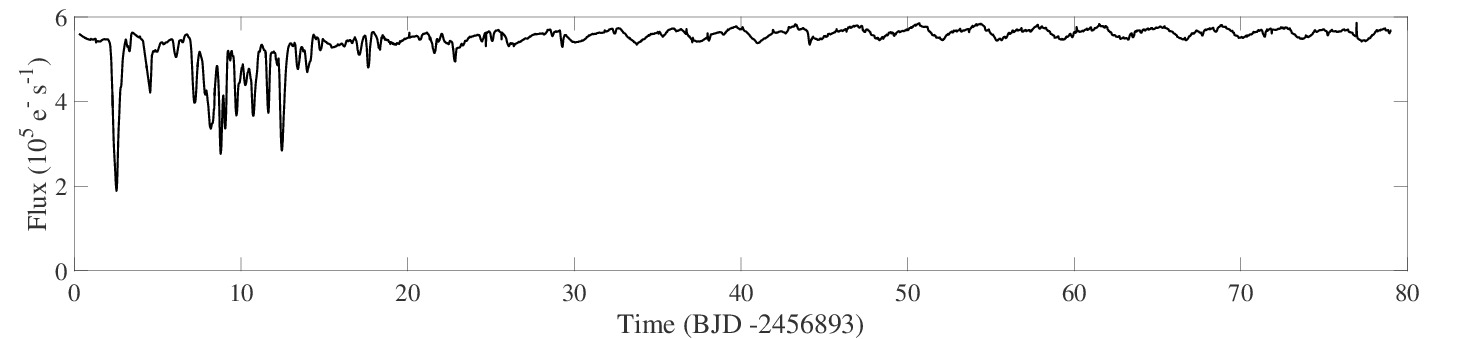
    We study the K2 light curve of a young M-type pre-main-sequence star showing irregular dimmings of up to 65%, and propose causes such as a warped inner-disc edge or transiting cometary-like objects on tilted orbits.

  • Science Advances (2015)

    Accretion-induced variability links young stellar objects, white dwarfs, and black holes

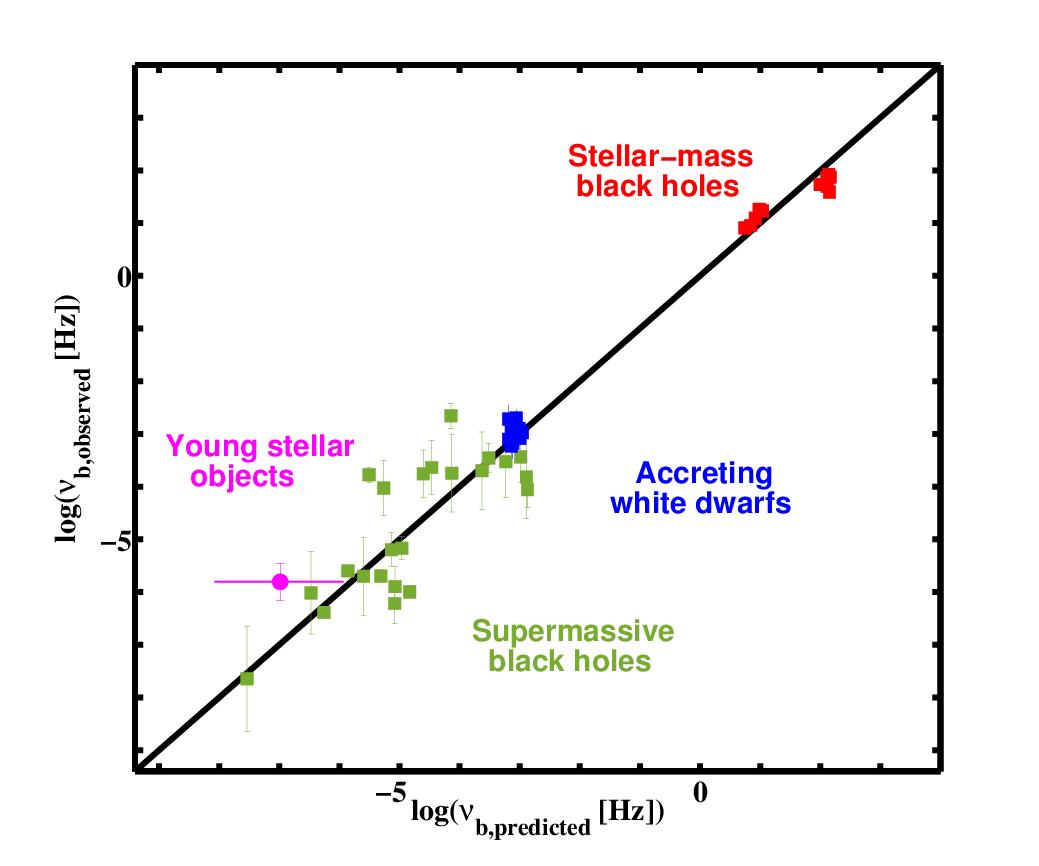
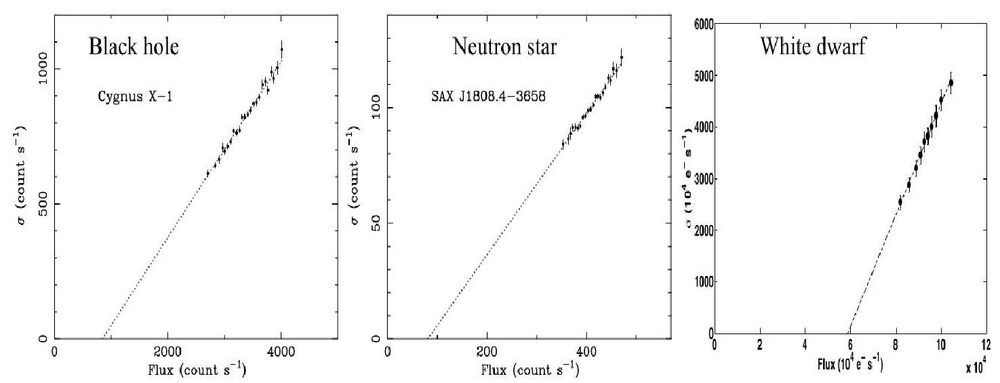
    Accreting white dwarfs and young stellar objects display the same linear rms–flux relation, and obey the same quantitative scaling relation, as stellar-mass and supermassive black holes, establishing the size of the accretor as the primary scaling parameter.

  • MNRAS (2015)

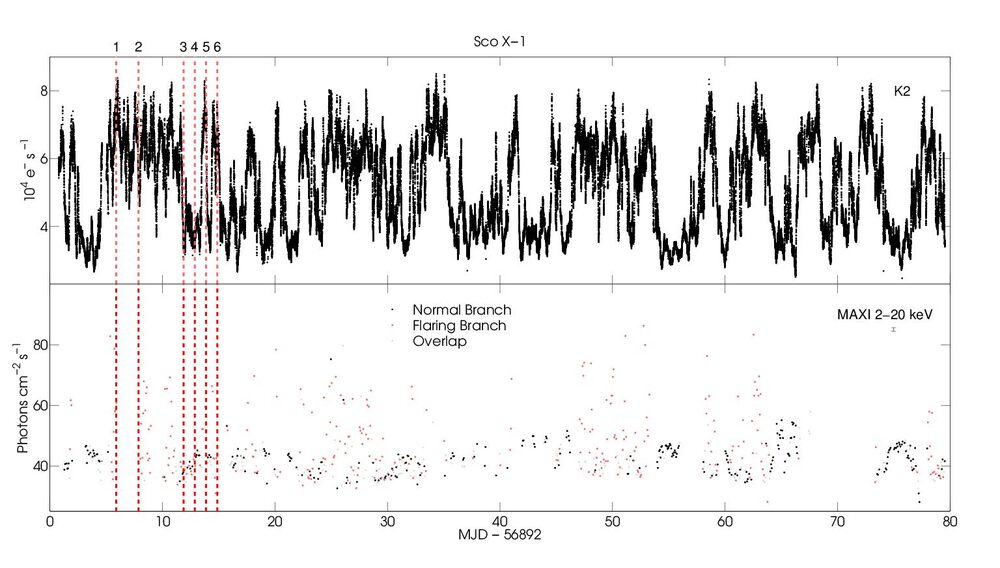
    Sco X-1 revisited with Kepler, MAXI and HERMES: outflows, time-lags and echoes unveiled

    Simultaneous Kepler optical and MAXI X-ray timing reveals bimodality and a discrete correlation indicating a 12.5-hour optical lag. Cepstrum analysis confirms echoes consistent with thermal reprocessing in the disc.

  • Acta Polytechnica CTU Proceedings (2015)

    Broad-band variability in accreting compact objects

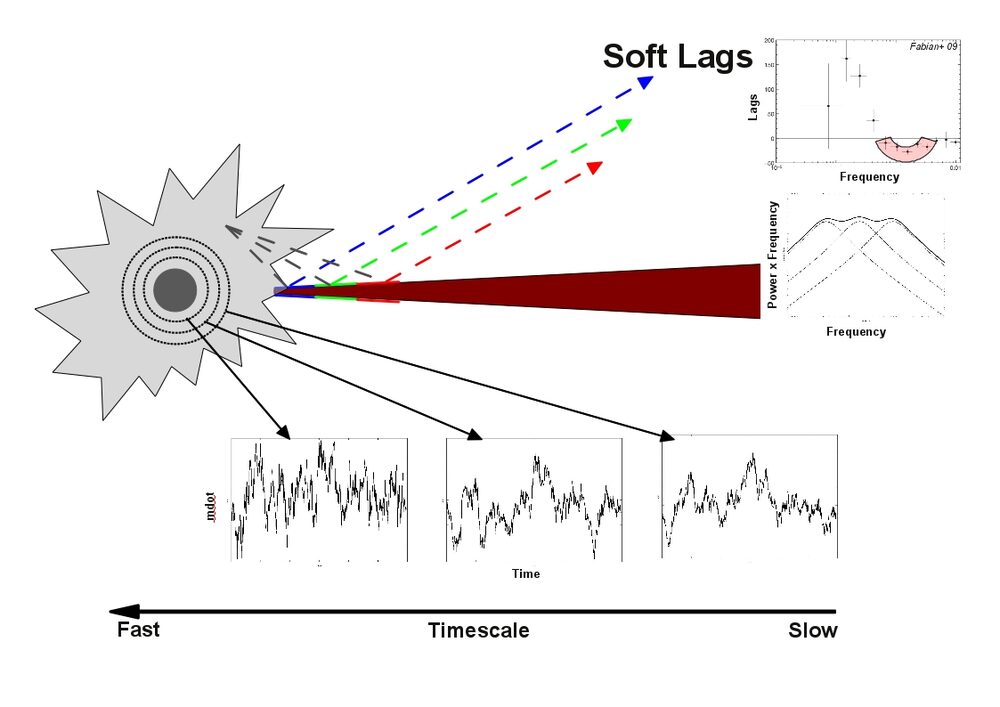
    A brief overview comparing the aperiodic X-ray variability of X-ray binaries with the optical variability of cataclysmic variables: once their inner-disc timescales are accounted for, both show similar power spectra, rms–flux relations and Fourier-dependent time lags, in the context of the fluctuating accretion disc model.

  • MNRAS (2014)

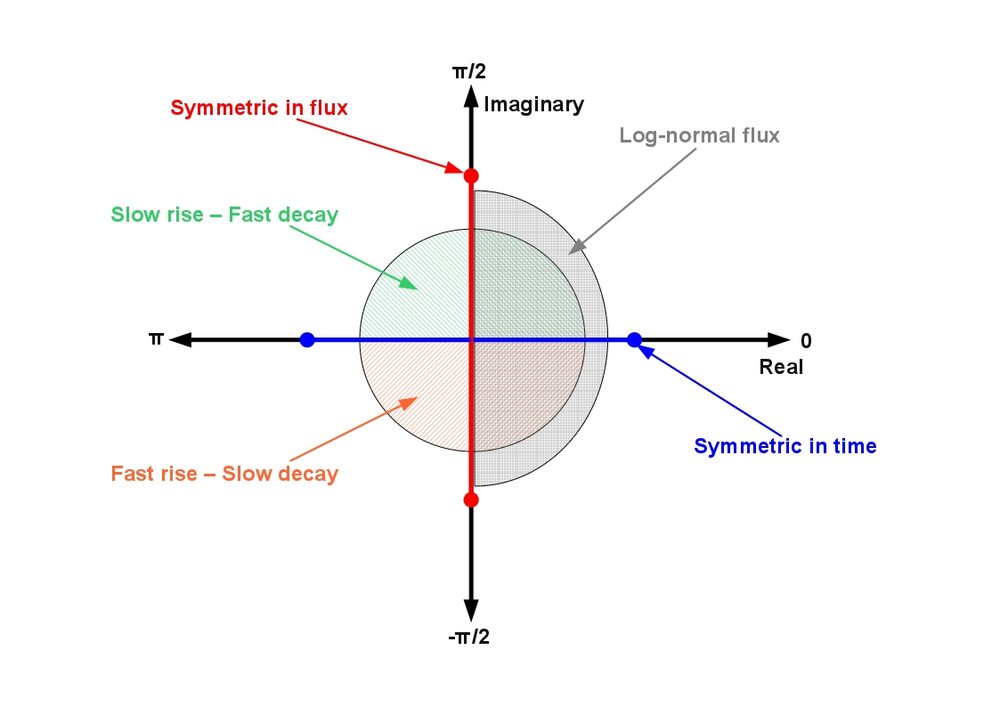
    Reversibility of time series: revealing the hidden messages in X-ray binaries and cataclysmic variables

    We study high-order Fourier bispectra of MV Lyr, V1504 Cyg and Cyg X-1, detecting non-zero, positive biphases at high frequencies that indicate time irreversibility consistent with fluctuating accretion disc models.

  • MNRAS (2014)

    A physical model for the flickering variability in cataclysmic variables

    We apply the fluctuating accretion disc model to Kepler high-frequency timing of MV Lyrae, deducing a geometrically thick inner flow extending to the white dwarf, with optical variability powered by X-ray reprocessing.

  • MNRAS Letters (2013)

    Kepler observations of the eclipsing cataclysmic variable KIS J192748.53+444724.5

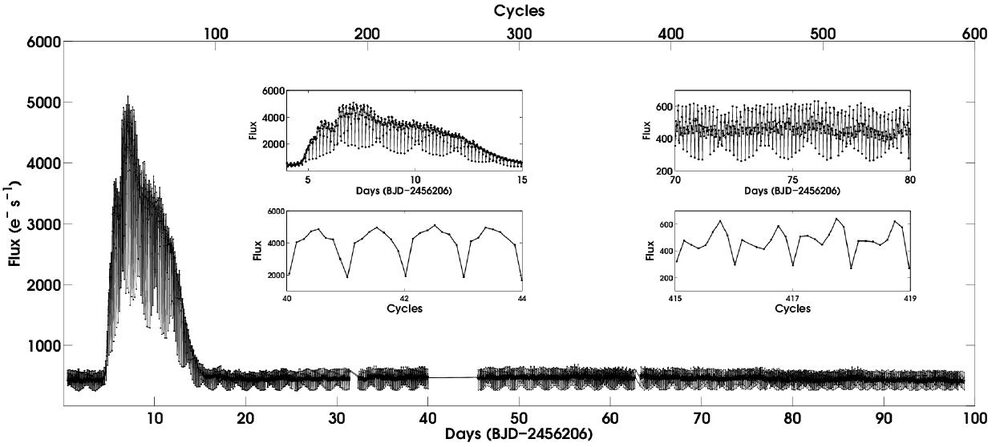
    Kepler observations of a newly discovered cataclysmic variable reveal deep eclipses every 3.97 hours and a full outburst. Tracking the eclipse depth and out-of-eclipse light through the outburst points to changes in the accretion disc radius and/or its radial temperature profile.

  • MNRAS (2013)

    Discovery of Fourier-dependent time lags in cataclysmic variables

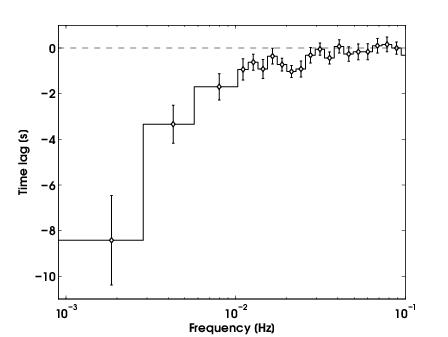
    Simultaneous ULTRACAM u′g′r′ light curves of MV Lyr and LU Cam reveal the first Fourier-dependent optical time lags in cataclysmic variables, with redder bands lagging bluer ones by up to ~3 s (MV Lyr) and ~10 s (LU Cam) at low frequencies.

  • MNRAS (2013)

    Spectroscopic identifications of blue-Hα-excess sources in the Kepler field of view

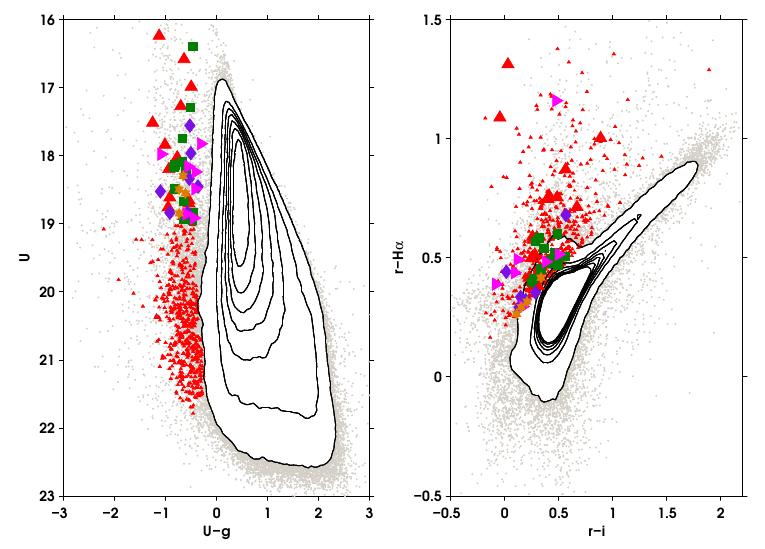
    WHT spectroscopy of 38 blue Hα-excess candidates from the Kepler-INT Survey identifies 11 new cataclysmic variables and 13 new quasars, providing targets for detailed Kepler studies of accretion.

  • MNRAS (2012)

    Broad-band timing properties of the accreting white dwarf MV Lyrae

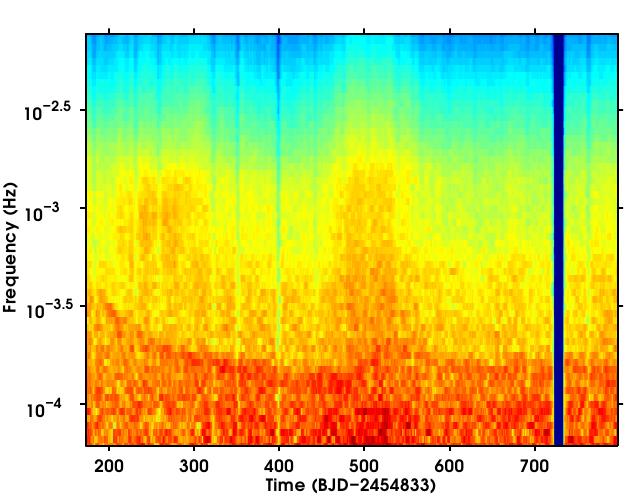
    Using 633 days of Kepler data, we model the broad-band noise of MV Lyrae with multiple Lorentzian components, as done for X-ray binaries, and find variability properties strikingly similar to those of X-ray binaries and active galactic nuclei.

  • MNRAS (2012)

    The universal nature of accretion-induced variability: the rms-flux relation in an accreting white dwarf

    We discover a linear rms–flux relation in the Kepler light curve of MV Lyrae, the first in a cataclysmic variable, mirroring those of black hole and neutron star binaries and active galactic nuclei and pointing to a common origin for broad-band variability.

  • A&A (2011)

    Confirmation of 1RXS J165443.5-191620 as an intermediate polar and its orbital and spin periods

    Worldwide optical photometry and MDM time-resolved spectroscopy confirm 1RXS J165443.5-191620 as an intermediate polar, with a white dwarf spin period of 546 seconds and an orbital period of 3.7 hours.

  • A&A (2010)

    A new determination of the INTEGRAL/IBIS point source location accuracy

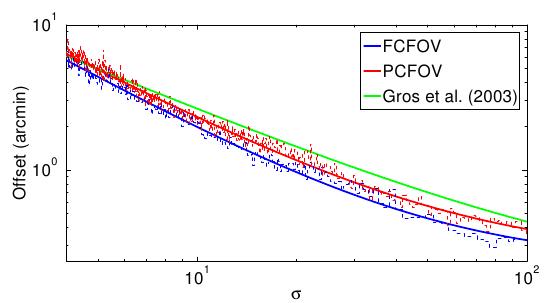
    Analysing over 40,000 INTEGRAL/IBIS pointings against accurate X-ray positions, we show that the point source location accuracy has improved significantly since early in the mission, reducing the sky area to search in follow-up programmes by more than half in some cases.

  • MNRAS (2010)

    Hard X-ray properties of magnetic cataclysmic variables

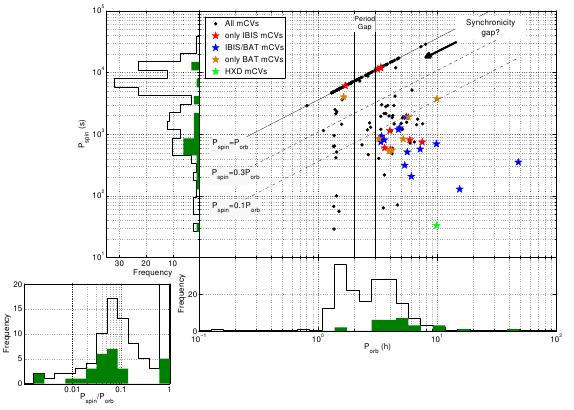
    A global study of hard-X-ray-selected intermediate polars and asynchronous polars from INTEGRAL/IBIS, Swift/BAT and Suzaku/HXD, linking their hard X-ray properties to spin and orbital periods and discussing the results in the context of magnetic CV evolution.

  • MNRAS (2009)

    Classifying broad absorption line quasars: metrics, issues and a new catalogue constructed from SDSS DR5

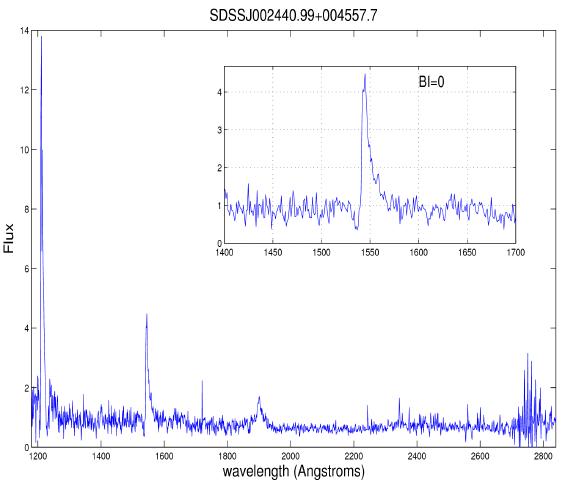
    Combining simple metrics, supervised neural networks and visual inspection, we build a catalogue of 3552 broad absorption line quasars from 28,421 SDSS DR5 quasars, and show that no single existing metric gives clean, robust classifications.

  • MNRAS (2008)

    ISINA: INTEGRAL Source Identification Network Algorithm

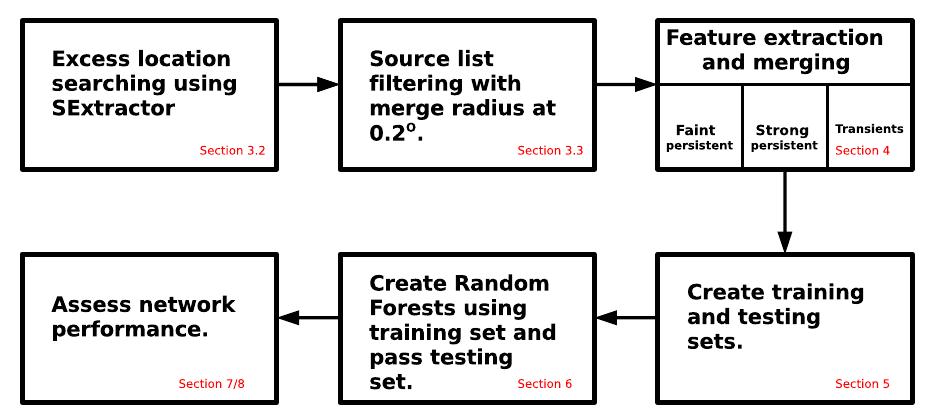
    A machine-learning algorithm based on Random Forests, applied to INTEGRAL IBIS/ISGRI data to help produce unbiased soft gamma-ray source catalogues, including a new transient detection technique: the Transient Matrix.