Mass & star formation properties of the Orion Nebula
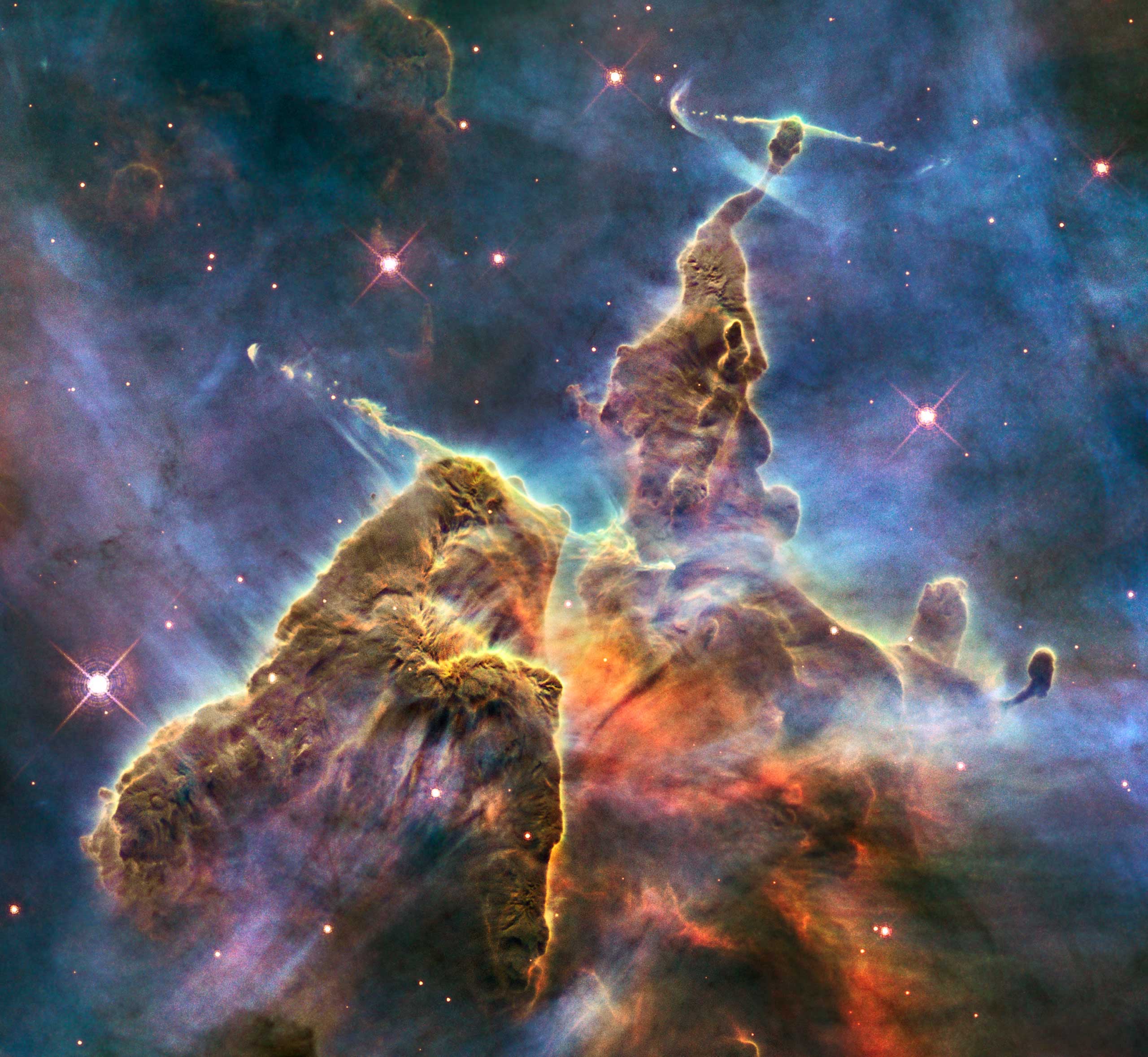
Star formation is one of the least understood processes in astrophysics. The goal of this
project is to identify a (nearby) star forming region (e.g. M42), and measure the
colours of the embedded stars. By comparing the observed colours of the stars with their
theoretical (unobscured) colours, the H2 column density can be inferred and, with an
estimate of the size of the cloud, the total mass can be inferred.
Mass-to-light ratio in nearby spiral galaxies
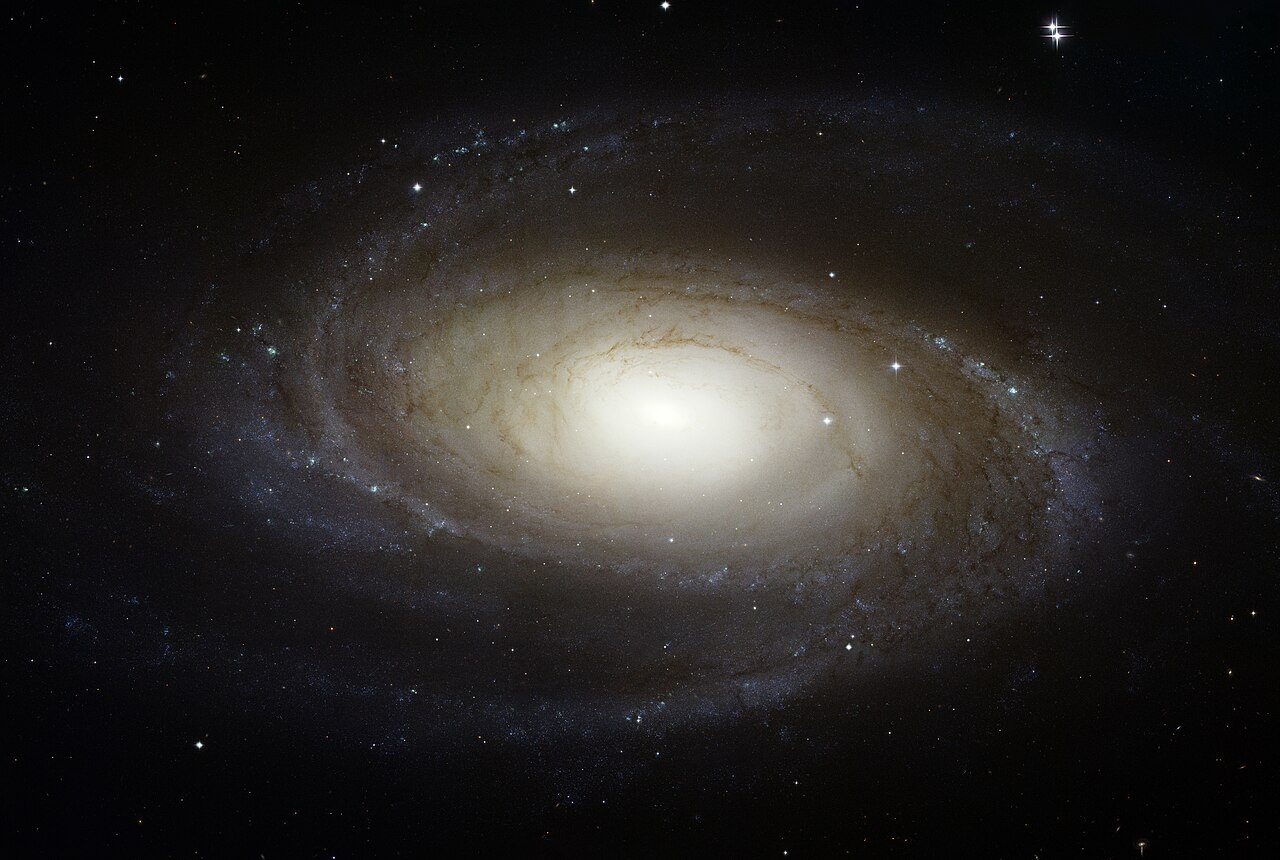
In the 1970s, Vera Rubin used the velocities of 67 HII regions in the disk of M31 to show
that the enclosed dynamical mass of the galaxy continued to rise out to at least 24 kpc,
far beyond the optical radius. By the 1980s, Rubin had shown that flat rotation curves
(at radii up to 50 kpc) were ubiquitous in high luminosity spiral galaxies. During this
period, the work of observers and theorists converged, culminating in a collective
assertion that galaxies are immersed in extended dark matter halos. The goal of this
project is to repeat some of the early observations that demonstrated the existence of
dark matter by comparing the mass in stars (through brightness profiles) to the total
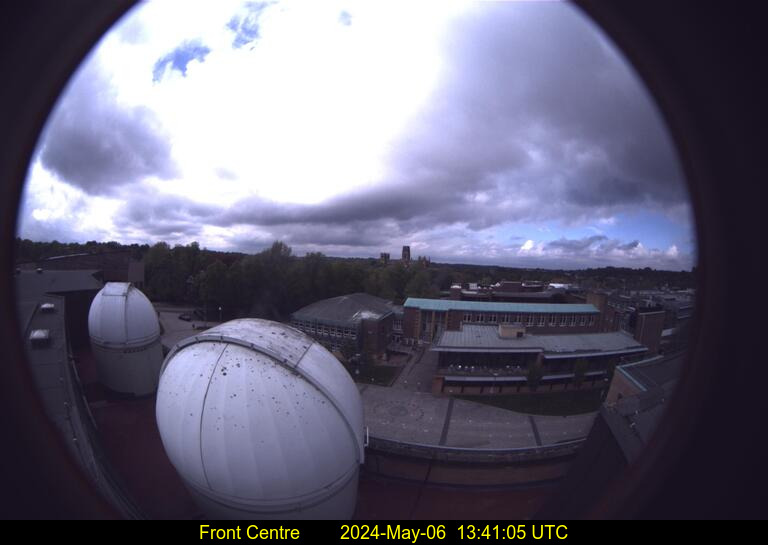
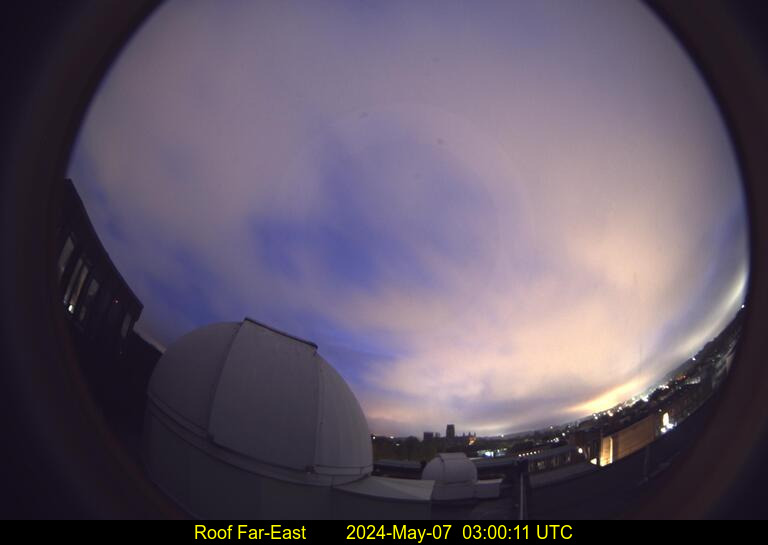
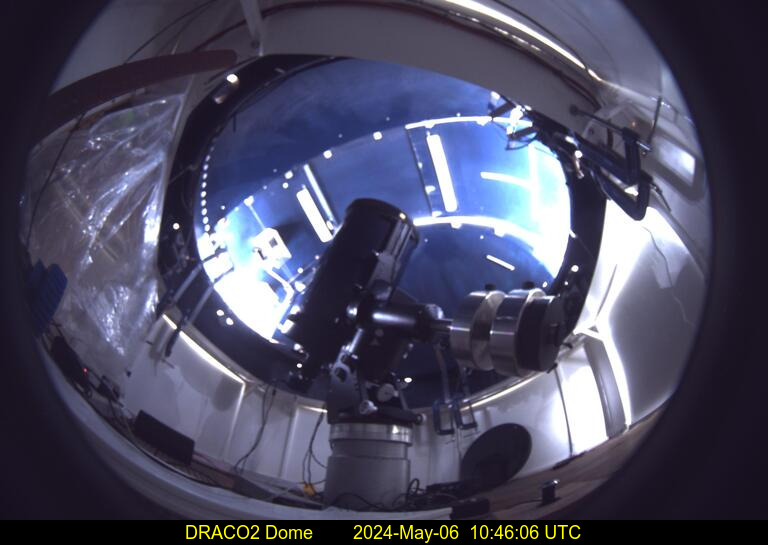
(dynamical) mass. You will thus use data from the telescopes on the roof of the Physics
department to repeat the early experiments of Rubin et al. and demonstrate the existence
of dark matter.
Temperature variations on the surface of the Sun
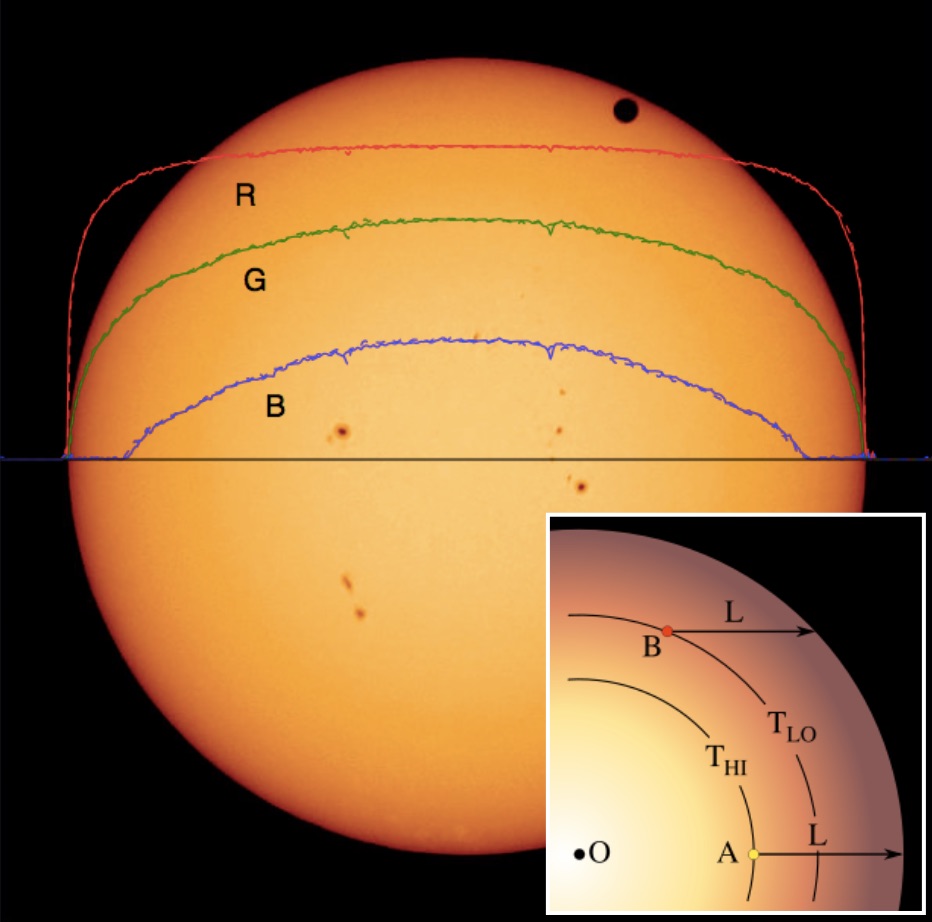
The Sun is a dynamic star. Galileo first identified sunspots and limb darkening on the
solar surface, which in turn refuted the idea that objects were transiting in front of
the Sun. H-alpha imaging (which detects the Balmer 3-2 transition of Hydrogen) is a
powerful means to peer into the solar chromosphere, the layer directly above the
photosphere, picking out flares and prominences. The goal of this project is to measure
the properties of the Solar photosphere and chromosphere (using H-alpha filters). There
are two possible science projects. You can undertake one, or both projects: a)
properties of Sunspots and/or b) measuring limb darkening.
Unveiling the process that forms galaxies
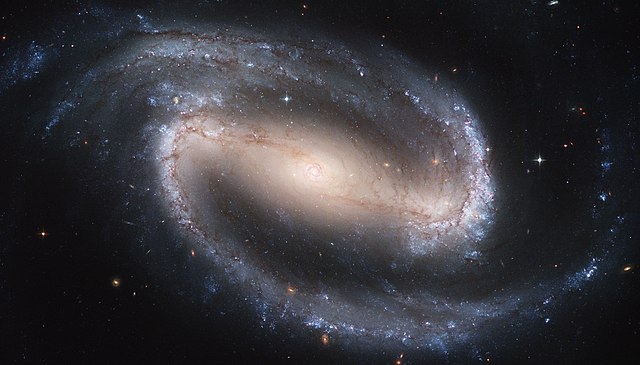
How do galaxies form? Answers to this question remain incomplete and drive a lot of
discussion amongst professional astrophysicists. Two main sets of physical processes are
currently considered to be the most relevant. In the first, galaxies form via successive
mergers of smaller stellar systems, whereas in the second, galaxies form through the
accretion of gas that drives the formation of new stars. Theoretical work suggests that
mergers produce large concentrations of stars in the central regions of galaxies,
whereas gas accretion leads to smoother stellar mass distributions within galaxies. In
this project, you will test these hypotheses by using data from our telescopes to obtain
images of a number of galaxies and measure their central concentration of stellar mass.
Your results will be used to test how the observed galaxies formed. There are two
possible science projects. You can undertake one, or both projects: a) how do galaxies
form and b) how the concentration of light in galaxies varies with wavelength.
Measuring orbital and spin periods of cataclysmic variables
Most stars in the Universe are not alone: they form and evolve in pairs, and in some
cases triples or higher hierarchical configurations. In the case of binary systems, the
evolution of one of the stars can be faster than its companion. The end result is that
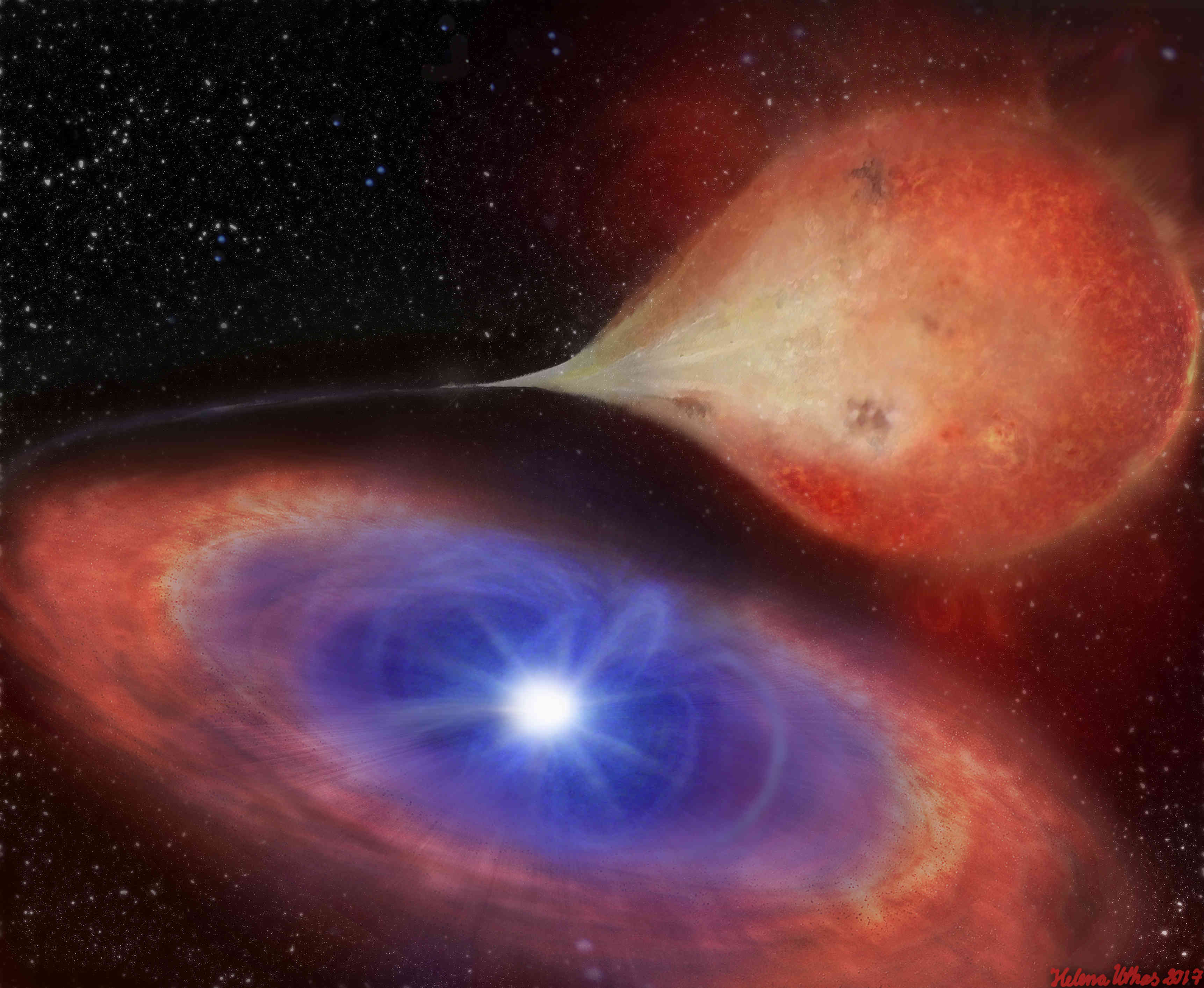
the most massive star will evolve into a compact object (either a white dwarf, neutron
star, or stellar-mass black hole), while the lower-mass companion wil still be on the
so-called main sequence (i.e. still fusing Hydrogen in the core). In this project you
will identify known or candidate binaries where a white dwarf is accreting material from
the lower mass companion. These systems are usually bright at optical wavelengths, and
you will analyse lightcurves (brightness measurments as a function of time) taken from
the Physics Department telescopes. You will use these datasets to search for and
characterise periodic signals. These signals will reveal the orbital period of the
binary systems, and in some cases a secondary signal might also be observed related to
the spin period of the accreting white dwarfs.
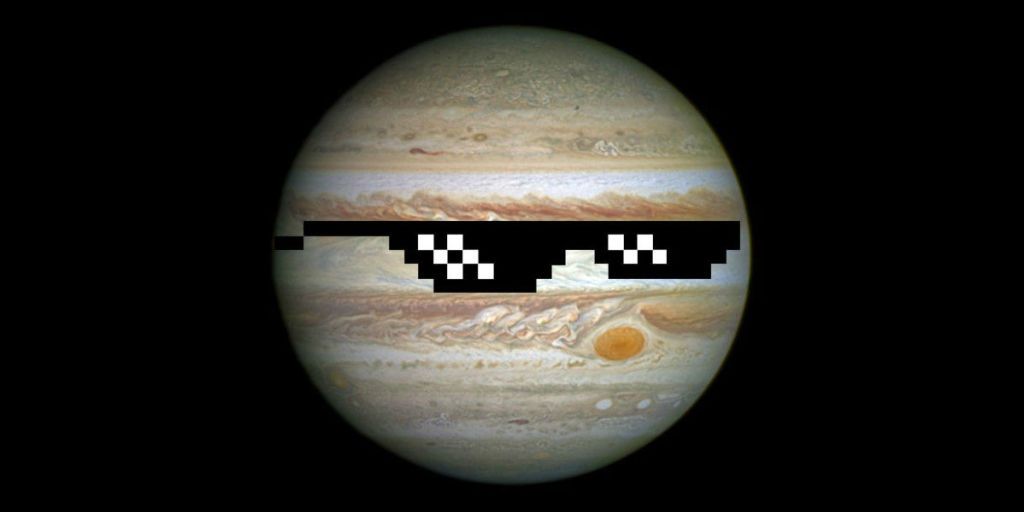
Measuring the mass of Jupiter
In 1610, Galileo Galilei made a series of observations of Jupiter and discovered four
objects that appeared to be moving around the planet. These were the largest of
Jupiter's moons, now known as the Galilean moons: Io, Europa, Ganymede, and Callisto. In
this project you will use similar observations to infer the mass of the largest gas
giant in our solar system.

Your project!
Talk to a demonstrator if you have a project idea you'd like to explore further!