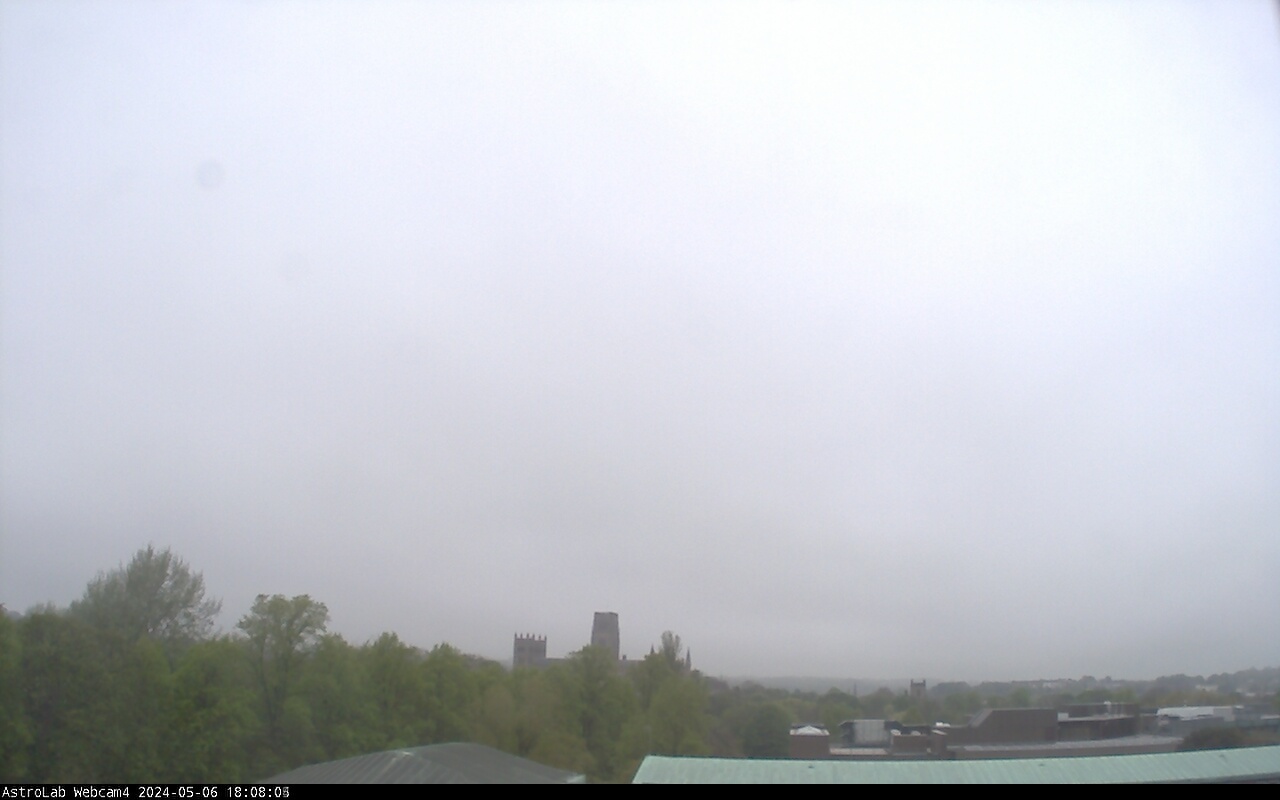
Cathedral view

 Below are several links on how the Level 2 astroLab is run, as well as some tutorials that will help you with data analysis. Remember knowledge has no limits, and Google is your best friend!
Most of what can be found here is based off all the effort Prof. Mark Swinbank, Prof. Alaistar Edge and Prof. John Lucey have put over the years in maintaining the telescopes and building the astroLab teaching programme for students. When you see them around the department, say thanks!
Make sure you are familiar and up to date with all important summatitive and formative submission deadlines for all assesment related to this module through ULTRA.
The overall aim of the Level 2 AstroLab RLI is to allow students to build on the knowlwdge and experience gained during previous components of the Laboratory Skills and Electronics course to design and carry out an observational astronomy project. During this you will:
Taking your own data at the telescopes is not mandatory, but can be really fun! If you'd like to have a go at taking your own data using the telescopes on the roof of the Physics building then sign up for the available sessions using the link below. Of course keep an eye out for the weather. We will notify students a few hours before the start of an observing session if this has to be cancelled due to poor weather.
Please come prepared with targets to observe. Ensure they are visible and bright enough. Also remeber to dress up: it's cold on the roof at night!
With great power comes great responsibility
Depending on how far into data reduction and analysis you want to go, you can choose to do this in Python and Gaia (a.k.a. "the harder way"), or use AstroImageJ (a.k.a. "the easier way")
Cathedral view
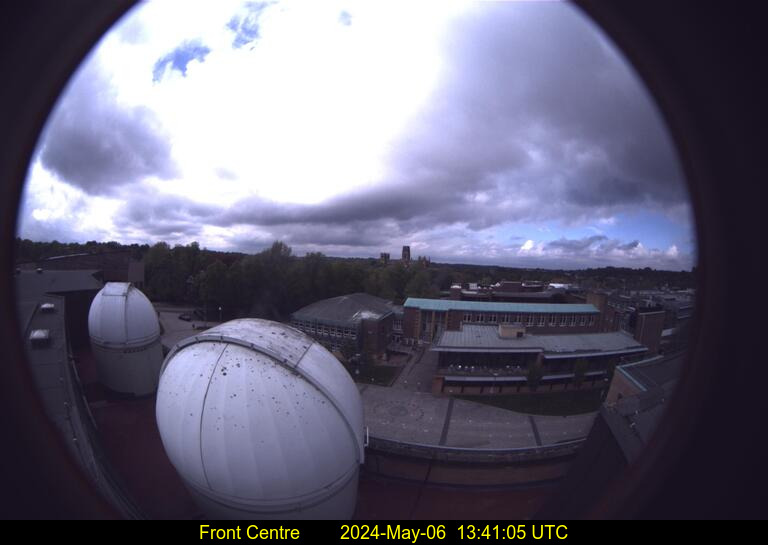
Roof Front-Centre
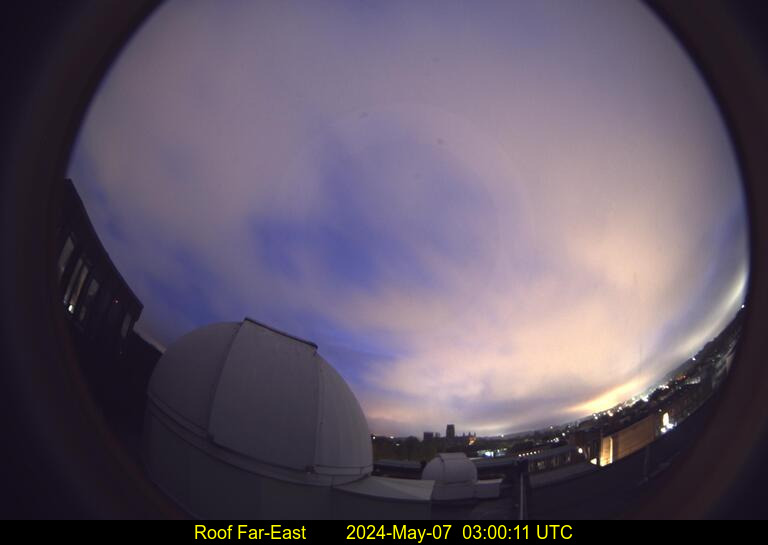
Roof Far-East
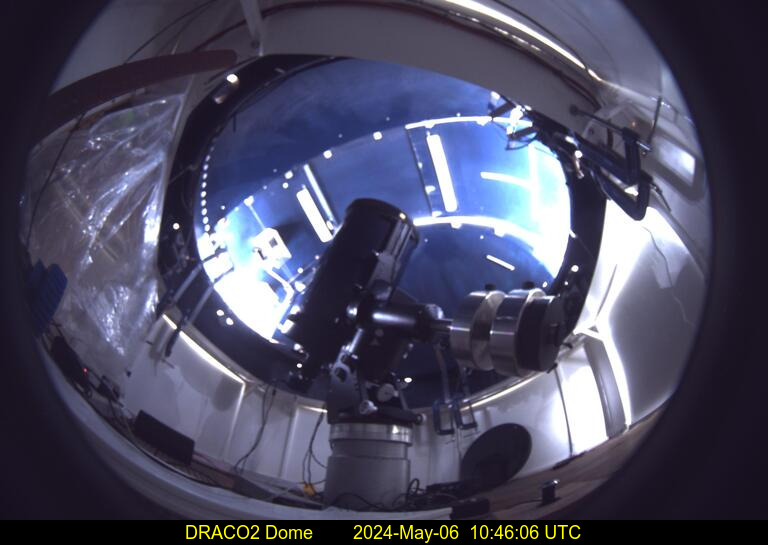
Draco2
East-16
FE20
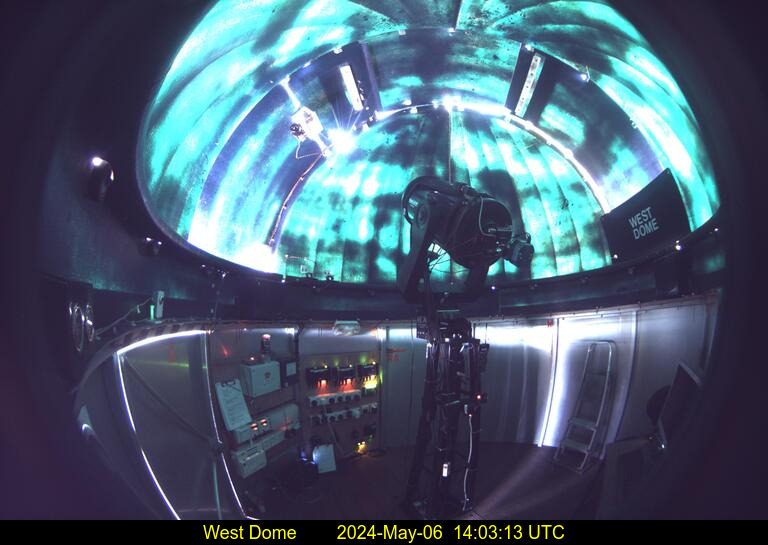
West-14